 Reviews



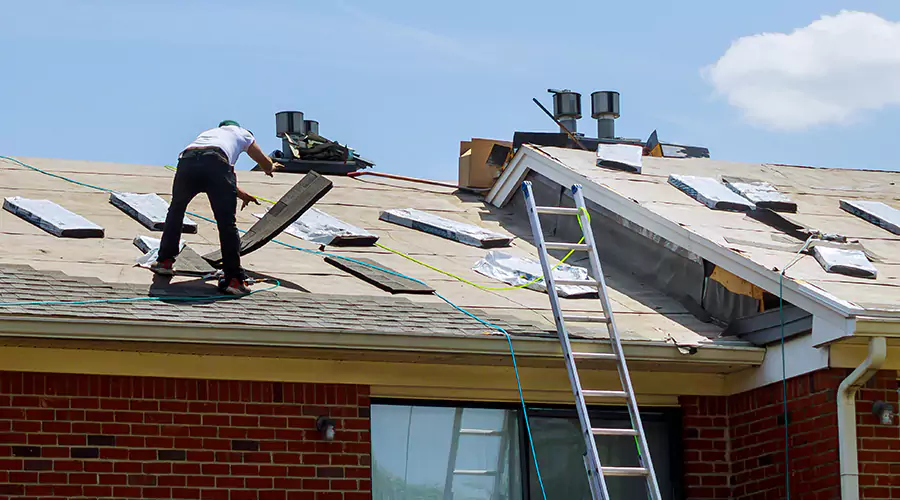
The best time of year to schedule roof repairs is usually spring or fall because the weather is often milder, roofing materials handle better, and contractors can work more safely and efficiently. However, the right timing also depends on your local climate, the type of roof damage, and whether the repair is urgent or planned.
Roof repairs should never be delayed when there is an active leak, missing shingles, storm damage, or exposed roof decking. Seasonal planning is helpful for routine repairs, but emergency roof problems need fast attention regardless of the month. A small leak or loose flashing can quickly lead to water damage, mold growth, damaged insulation, and weakened roof decking.
Understanding the best time to schedule roof repairs can help homeowners save money, avoid seasonal delays, and protect their homes before harsh weather arrives.
Quick Answer: When Should You Schedule Roof Repairs?
For planned roof repairs, spring and fall are usually the best seasons. These months often provide moderate temperatures, lower weather stress, and better working conditions for roofing contractors.
Homeowners should consider scheduling roof repairs:
- In the spring after winter or storm damage
- In the fall before heavy rain, snow, or colder weather
- After major hail, wind, or severe storms
- Before small leaks become larger problems
- Before selling or buying a home
- Before roof damage affects insulation or drywall
- As soon as missing shingles or loose flashing appear
If the roof is actively leaking, do not wait for the perfect season. Schedule an inspection and temporary repair as soon as possible.
Why Spring Is a Good Time for Roof Repairs?
Spring is one of the best seasons for roof repairs because it gives homeowners a chance to fix damage left behind by winter weather. Cold temperatures, high winds, ice, heavy rain, and debris can weaken roofing materials over time.
During spring, roofers can inspect shingles, flashing, gutters, vents, and roof valleys before summer heat and storm season arrive. Mild temperatures also make it easier to complete many roofing repairs without extreme weather conditions.
Spring roof repairs are useful for fixing:
- Loose or missing shingles
- Winter-related leaks
- Damaged flashing
- Clogged or damaged gutters
- Cracked pipe boots
- Roof valley debris
- Small moisture issues in the attic
Scheduling repairs in spring can help your roof stay ready for summer storms and heavy rain.
Why Fall Is Often the Best Season?
Fall is often considered the best time for roof repairs because the weather is usually cooler, drier, and more comfortable for roofing work. It is also a smart time to prepare the roof before winter, heavy rain, or seasonal storms.
Roofing materials often perform better during moderate temperatures. For asphalt shingles, extreme heat can make materials softer, while cold weather can make them more brittle. Fall conditions often provide a better balance for repairs.
Fall roof repairs can help homeowners address:
- Shingle damage before winter
- Flashing gaps around chimneys and walls
- Loose vents or roof penetrations
- Gutter and drainage issues
- Minor leaks before rainy weather
- Debris buildup from nearby trees
If your roof has small issues, fall is a good time to fix them before cold weather makes the damage worse.
Can Roof Repairs Be Done in Summer?
Yes, roof repairs can be done in summer, but the heat can make scheduling and working conditions more challenging. Roof surfaces can become very hot, especially during midday. High heat may affect worker safety, material handling, and repair timing.
Many contractors start earlier in the morning during the summer to avoid the hottest part of the day. Summer can still be a good time for roof repairs if the weather is dry and the damage needs attention.
Summer roof repairs may be needed after:
- Severe thunderstorms
- Hail damage
- High wind events
- Fallen tree limbs
- Sudden roof leaks
- Heat-related shingle wear
If you schedule summer roof repairs, try to book early before contractor calendars fill up after major storms.
Can Roof Repairs Be Done in Winter?
Roof repairs can be done in winter when necessary, but winter is not always ideal for planned work. Cold temperatures, snow, ice, and wet conditions can make roofing more difficult and less safe.
Some materials become harder to handle in cold weather. Asphalt shingles may become stiff or brittle, and sealants may take longer to bond properly. Snow or ice can also hide damage and create slip hazards.
Still, emergency winter roof repairs should not be ignored. If your roof is leaking, missing shingles, or damaged by falling branches, a roofer may recommend temporary repairs or emergency tarping until permanent repairs can be completed in better weather.
Winter repair needs may include:
- Active roof leaks
- Ice dam damage
- Missing shingles after the wind
- Damaged flashing
- Fallen branches
- Emergency tarping
For non-urgent work, many homeowners wait until spring. For active water entry, immediate action is better.
Weather Conditions Matter More Than the Calendar
The best season is important, but the daily weather matters even more. Roofing repairs should be scheduled when conditions are safe and dry. Rain, lightning, heavy wind, ice, or extreme heat can delay roof work.
Good roof repair conditions usually include:
- Dry roof surfaces
- Mild temperatures
- Low wind
- Clear visibility
- No active rain or storms
- Safe access around the home
A professional roofer may reschedule repairs if the weather creates safety concerns or could affect repair quality. This is normal and often protects both the workers and the homeowner.
Do Not Wait If the Roof Is Leaking
Seasonal timing is helpful for planning, but leaks require fast action. Even a small roof leak can damage ceilings, attic insulation, drywall, wood framing, flooring, and personal belongings.
Call for roof repair quickly if you notice:
- Water dripping from the ceiling
- Brown stains on walls or ceilings
- Wet attic insulation
- Missing shingles
- Damaged flashing
- Sagging ceiling areas
- Mold or musty smells
- Roof damage after a storm
If permanent repair cannot be completed right away, emergency roof tarping may help reduce water entry until the roof can be fixed properly.
How to Plan Roof Repairs Ahead of Time?
Planning ahead gives homeowners more control over scheduling and cost. If your roof is older or has had previous leaks, do not wait until severe weather exposes the problem.
A good planning routine includes:
- Schedule a roof inspection in spring or fall
- Check the attic after heavy rain
- Clean gutters before storm season
- Trim branches near the roof
- Repair loose shingles quickly
- Keep photos of roof condition
- Save repair and maintenance records
- Book early during busy roofing seasons
Contractors may be busier after major storms, so planned repairs are easier to schedule before peak demand.
Homeowner Roof Repair Timing Checklist
- Choose spring or fall for planned repairs
- Schedule immediately for active leaks
- Inspect the roof after hail, wind, or heavy rain
- Fix small problems before storm season
- Avoid waiting until winter if damage is already visible
- Book early if your area has frequent storms
- Ask your roofer about the best weather window
- Keep documentation for future insurance needs
This checklist helps you separate routine repair timing from urgent roof problems.
Final Thoughts
The best time of year to schedule roof repairs is usually spring or fall because the weather is mild and roofing conditions are more favorable. Spring helps address winter damage, while fall helps prepare the roof before colder or wetter weather arrives.
Summer and winter repairs are still possible when needed, especially after storms or active leaks. The most important rule is simple: do not delay urgent roof damage. If water is entering your home or roofing materials are missing, schedule a professional inspection right away.
Timely roof repairs protect your home, extend roof life, and reduce the risk of expensive interior damage. Planning repairs during the right season can make the process smoother, but fast action matters most when the roof is already compromised.